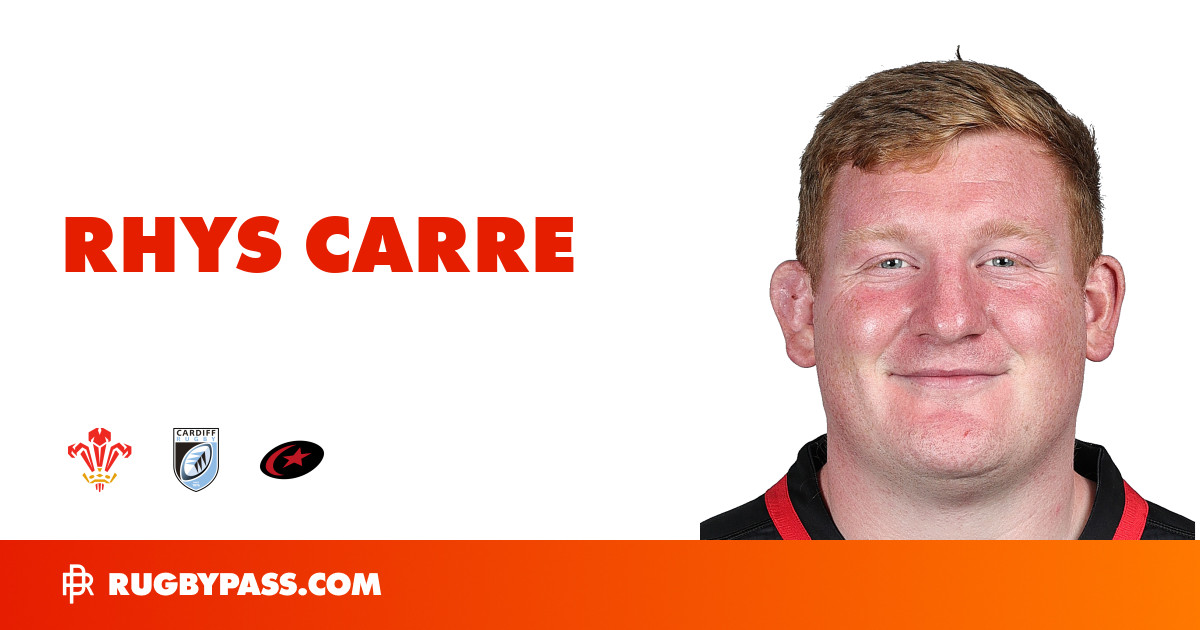
How Heavy is Rhys Carre? The Welsh Prop's 132kg Build Explained
In the gladiatorial arena of professional rugby, sheer power and brute force are often as crucial as skill and agility. No position embodies this raw physicality more than the prop, and Welsh international Rhys Carre stands as a testament to this truth. A formidable figure on the pitch, Carre's impressive Rhys Carre's Weight: Unpacking the 132kg Prop's Physique is a topic of keen interest for fans and analysts alike. Standing at 1.91 meters (6 ft 3 in) and tipping the scales at a substantial 132 kilograms (approximately 20 stone 11 pounds or 291 pounds), Carre’s build is meticulously engineered for the demanding role of a loosehead prop. But what exactly does this immense Rhys Carre's Physique: Height, Weight, and His Role as a Prop signify on the rugby field, and how does he maintain such a powerful frame at the peak of his career? Understanding Rhys Carre's weight isn't merely about numerical statistics; it's about appreciating the functional strength, strategic advantage, and relentless dedication required to perform at the elite level of rugby union. For a player like Carre, currently plying his trade for Saracens in England and representing Wales on the international stage, every kilogram and every inch of muscle mass is a carefully cultivated asset designed for maximum impact. This article delves deep into the significance of Rhys Carre's weight, exploring how his colossal build contributes to his prowess as a modern prop and the rigorous regimen behind maintaining such a powerful physique.The Powerhouse Physique: Deconstructing Rhys Carre's 132kg Frame
At 1.91 meters (6 ft 3 in) tall and weighing 132 kilograms (291 lbs), Rhys Carre possesses a physique that is both imposing and incredibly functional for his position. To put this into perspective, 132kg is roughly equivalent to the weight of two average adult men or a small motorbike. For a professional athlete, however, this isn't just dead weight; it's a carefully sculpted combination of muscle, bone density, and strategic mass designed for extreme power output and durability. Carre, at 28 years old (as of the current data), is in the prime of his physical career. This combination of height and weight provides him with several key advantages: * Imposing Presence: His sheer size makes him a difficult player to tackle, often requiring multiple defenders to bring him down. On the flip side, when he’s making a tackle, he can generate immense stopping power. * Low Centre of Gravity (Relative to Height): Despite his height, a prop's weight is often concentrated in their lower body and core, allowing for a stable, powerful base crucial for scrummaging and mauling. * Leverage and Drive: His mass, combined with his strength, allows him to exert significant force in contact situations, whether driving forward in a scrum or carrying the ball into contact. * Durability: The robust build helps him withstand the constant, brutal collisions inherent in rugby, reducing the risk of certain types of injuries. It's important to differentiate this athletic mass from unhealthy weight. Professional rugby players undergo stringent body composition analysis. Rhys Carre's weight is predominantly lean muscle, strategically distributed to maximize his effectiveness in the engine room of the scrum and across the pitch. His physique is a testament to years of dedicated training, strict nutrition, and an unwavering commitment to his sport.More Than Just Mass: The Role of Weight for a Modern Prop
The role of a prop in rugby union is arguably one of the most physically demanding positions on the field. It requires a unique blend of immense strength, explosive power, and surprising agility. Rhys Carre's weight, therefore, isn't just about being "heavy"; it's a critical component of his toolkit that enables him to excel in specific aspects of the game:Scrummaging Dominance
This is where the prop's weight truly comes into its own. In a scrum, eight players from each team interlock, vying for possession of the ball. The front row, comprising two props and a hooker, bears the brunt of the collision. Rhys Carre, as a loosehead prop, is responsible for anchoring the scrum on the left side, engaging his opponent with immense force. His 132kg frame provides:
- Stability: An immovable anchor that resists the opposing scrum's drive.
- Power Transfer: The ability to transfer force from his legs, through his core, and into the opposing prop, driving the scrum forward.
- Endurance: The stamina to maintain this immense pressure for extended periods during multiple scrums in a game.
Carrying the Ball
Modern props are no longer just scrummaging specialists. They are expected to contribute significantly in open play, often acting as primary ball carriers. Rhys Carre's weight allows him to:
- Break the Gain Line: His momentum and power make him adept at smashing through defensive lines, creating quick ball and forward momentum for his team.
- Absorb Tackles: He can withstand heavy tackles and keep his legs driving, often requiring multiple defenders to bring him to ground, thereby tying up opposition players.
Defensive Anchoring
When Rhys Carre is defending, his weight makes him a formidable presence:
- Powerful Tackles: He can deliver bone-jarring tackles that stop attacking players in their tracks, turning over possession or forcing errors.
- Ruck and Maul Presence: His mass is invaluable in securing breakdowns, driving over the ball, or forming impenetrable mauls to gain ground.
In essence, Rhys Carre's weight is a strategic asset that allows him to execute the core functions of a prop with maximum efficiency, contributing significantly to both Saracens and Wales' performance.
Training & Nutrition: Fueling a Front-Row Forward
Achieving and maintaining a physique like Rhys Carre's 132kg build is not accidental; it's the result of an incredibly stringent and scientifically backed training and nutrition program. This isn't about simply "bulking up," but about building functional strength, power, and endurance while managing body composition.The Training Regimen
- Strength Training: At the core of a prop's training are heavy, compound lifts. This includes back squats, deadlifts, bench press, overhead press, and Olympic lifts (cleans, jerks, snatches). These exercises build raw strength and explosive power, crucial for scrummaging and carrying. Sessions would be tailored to maximize force production and muscle hypertrophy.
- Conditioning and Mobility: Despite the emphasis on mass, modern props must be mobile and have good cardiovascular fitness. Carre's training would incorporate high-intensity interval training (HIIT), sprint drills, and circuit training to build game-specific endurance. Crucially, a significant portion of his time would be dedicated to mobility work, stretching, foam rolling, and dynamic exercises to maintain flexibility and prevent injury in such a large frame.
- Specific Prop Drills: Alongside general strength, there's specific work for scrummaging. This involves extensive use of scrum machines, live scrummaging against teammates, and technical drills to refine body position, bind strength, and leg drive.
The Nutritional Blueprint
Fueling a 132kg athlete requires an enormous caloric intake, but it must be meticulously managed. It's not just about eating a lot; it's about eating smart.
- High Caloric Intake: A player like Carre would consume upwards of 4,000-6,000 calories per day, depending on training load and game schedule. These calories are essential for muscle growth, repair, and energy.
- Macronutrient Balance:
- Protein: High protein intake (e.g., 2g per kg of body weight) is vital for muscle repair and synthesis. Sources include lean meats, fish, eggs, dairy, and protein supplements.
- Complex Carbohydrates: These provide sustained energy for training and matches. Examples include oats, brown rice, sweet potatoes, and whole grains.
- Healthy Fats: Essential for hormone production and overall health, found in avocados, nuts, seeds, and olive oil.
- Strategic Eating: Meals are planned around training sessions – pre-training fuel, post-training recovery shakes and meals, and balanced main meals throughout the day. Hydration is also paramount, with athletes consuming several liters of water daily, often supplemented with electrolytes.
- Professional Guidance: Elite athletes like Rhys Carre work closely with nutritionists and strength & conditioning coaches to fine-tune their diet, ensuring they get the right nutrients at the right time to support their demanding lifestyle.
The Impact on the Pitch: Carre's Dominance Explained
Rhys Carre's 132kg weight isn't just an impressive statistic; it translates directly into tangible dominance on the rugby pitch. When he steps onto the field for Saracens or Wales, his physical presence is immediately felt, influencing critical aspects of the game. His massive frame makes him a cornerstone of the scrum, providing an unyielding foundation that his teammates can push off. Opposing tighthead props face a Herculean task in trying to displace him, often resulting in penalties in favor of Carre's team. This scrummaging prowess doesn't just win ball; it provides a psychological advantage, asserting dominance over the opposition's front row. Beyond the set-piece, Carre’s carrying game is formidable. With the ball in hand, he becomes a wrecking ball, capable of busting through initial tackles and gaining vital meters. His low body position, combined with his immense power, allows him to maintain forward momentum even when engaged by multiple defenders. This ability to break the gain line consistently is crucial for setting a platform for the backline and maintaining attacking pressure. He forces defenders to commit to stopping him, creating space and opportunities for his teammates. Defensively, Rhys Carre is an immovable object. His tackles are impactful, stopping attackers dead in their tracks and preventing offloads. In rucks and mauls, his weight and strength are invaluable for securing possession, clearing out opposition players, or driving forward to score. He's often seen as a critical component in defensive sets, absorbing pressure and allowing his team to reset. While his role is predominantly about power, Carre also demonstrates surprising athleticism for a player of his size. The modern prop is required to get around the park, make tackles, and offer themselves as a carrying option. His conditioning ensures he can contribute effectively for significant periods of a match, making him a truly complete front-row forward.Maintaining Peak Performance: Challenges and Strategies
The life of a professional rugby prop, especially one carrying Rhys Carre's weight, comes with its unique set of challenges. Maintaining peak performance requires constant vigilance and strategic management.Challenges Faced:
- Injury Risk: Carrying such significant mass, combined with the extreme physical demands of rugby, places immense stress on joints, ligaments, and muscles. Props are prone to neck, shoulder, knee, and back injuries.
- Mobility and Flexibility: Maintaining range of motion and preventing stiffness is a continuous battle. Large muscle mass can naturally restrict flexibility if not actively managed.
- Dietary Discipline: The constant need to consume high calories while maintaining optimal body composition requires incredible discipline. There's a fine line between gaining functional muscle and unwanted fat.
- Recovery: The body takes a beating every week. Ensuring adequate recovery (sleep, active recovery, physio) is critical for preventing burnout and chronic fatigue.
Strategies for Success:
- Proactive Injury Prevention: Rhys Carre would engage in rigorous pre-habilitation exercises, strengthening supporting muscles and improving joint stability to mitigate injury risks. Regular physiotherapy and sports massage are also essential.
- Dedicated Mobility Work: Daily stretching, yoga, Pilates, or specific mobility drills are integrated into his routine to ensure his powerful frame remains agile and flexible.
- Personalized Nutrition Plans: Working with sports nutritionists, his diet would be continuously adjusted based on training intensity, game days, and recovery periods, ensuring optimal fuel and body composition. This might include specific supplementation tailored to his needs.
- Prioritizing Recovery: High-quality sleep, active recovery sessions (light cardio, swimming), ice baths, compression garments, and regular soft tissue work are non-negotiable for an athlete of his caliber.
- Mental Fortitude: The discipline required to adhere to such a demanding lifestyle, day in and day out, speaks volumes about Carre's mental toughness and commitment to his craft.